Manga spotlight
A manga its creator invited readers to reuse
Shuho Sato released official digital editions of Give My Regards to Black Jack with reuse terms. The hospital drama is also a compelling read in its own right.
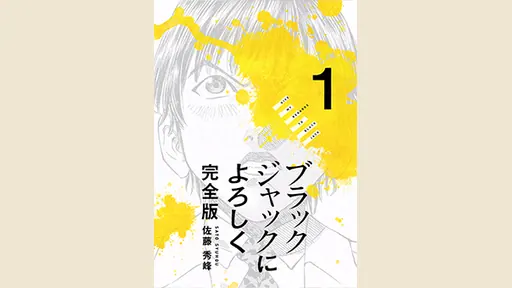
A hospital story from an intern’s point of view
Eijiro Saito has made it to a teaching hospital, and the first volume puts a practical question straight in front of him. How does an intern get by on his pay? Densho Bato’s volume listing describes his need to take work at another hospital. That starting point gives the drama room to show the demands of the job alongside the decisions clinicians make for patients.
If you read the first volume, notice how the story uses the space around a diagnosis. Who can speak in the room, who has to ask permission, and who is waiting for someone to decide? Those details make a hospital feel like a workplace with its own rules. They also give Saito’s questions a reason to matter even during conversations about things the reader may never have experienced.
What Sato chose to share
Sato began offering Give My Regards to Black Jack for free secondary use in 2012. In 2024 he announced another distribution of the complete edition through Densho Bato, covering all 13 volumes and their cover illustrations. The official page offers Japanese and English downloads. It also publishes the terms and the creator credit to use.
That makes this a useful example of how a manga can be shared on the creator’s own terms. The permission names a particular work and source files. The publisher’s page distinguishes the original series from the sequel and explains how different uses are handled. Read that page if you’re considering your own project using the material.
Where to start reading
Go to the first volume on the official page and choose the language you’d like to read. If you are learning Japanese, keeping the English edition alongside it can make it easier to compare one exchange at a time. Choose a scene with strong expressions and short lines so you can follow who is responding before comparing the words.
The availability of two official editions also makes this a good series to use when thinking about how a page changes in translation. Compare the order of the bubbles and which lines carry most of the sound of the conversation, then keep reading for the hospital drama on its own terms.